Can you wash mold off wood?
It is possible to get rid of mold from wood by washing it off. Mold is often formed in moist environments and therefore does not find a chance to harden. You can easily handle it through dishwashing soap and warm water at this stage. This solution can be easily formed at home and only requires about a teaspoon of soap to complete. This feature makes it a cheaper option to consider as you only need a spray bottle filled with water. You will need to shake this solution vigorously before spraying the affected area. The best brush to use when cleaning is one with soft bristles. To protect the wood, it is best only to scrub gently. Make sure to avoid leaving any excess liquid as you clean.
What removes mold fast?
Use hydrogen peroxide
Hydrogen peroxide is an option you can consider if you need a hospital-grade clean. The product is toxic but, when used correctly, will provide the consumer with an antifungal, antiviral, and anti-bacterial option. Hydrogen peroxide is readily available and is a solution found in most homes. It is a thorough and instant mold treatment. Its adaptability is impressive as you can use it safely on various surfaces. Many consumers use this product in home areas such as kitchen appliances and counters. It will also work wonders for removing mold quickly from your bathroom fixtures and tubs.
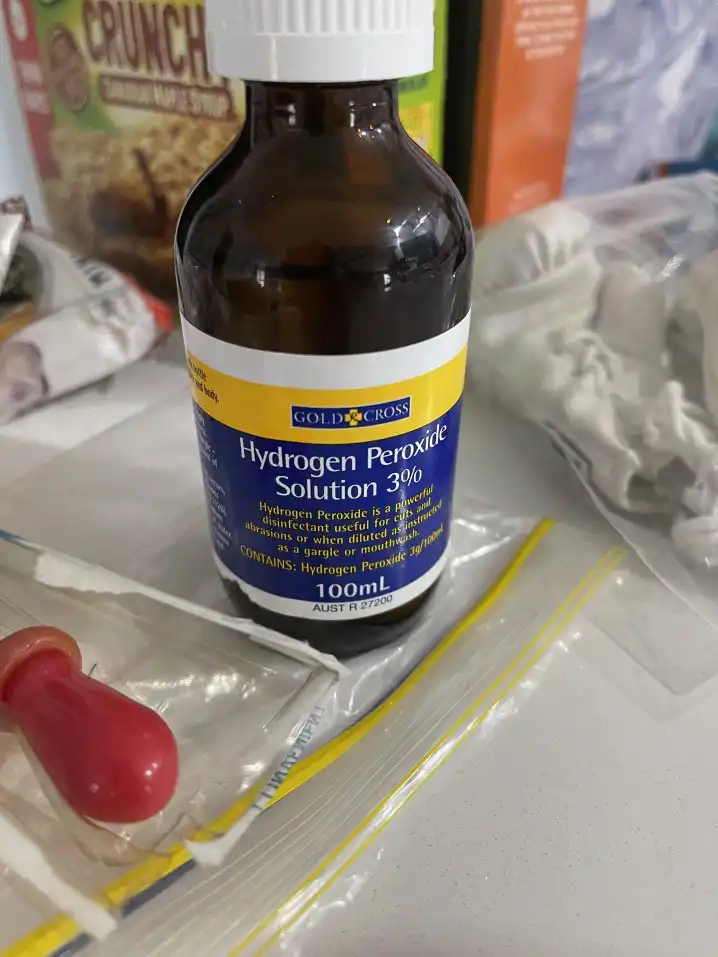
You will need to mix hydrogen peroxide with water at 3% hydrogen and 96% water to make this solution. To ensure the mixture is not too strong, it’s best to test it in a small inconspicuous area, to begin with. Please make sure the entire patch of mold is saturated with this mixture and let it rest. It will need ten minutes to eat through the mold before scrubbing it. When scrubbing, it is best to use the appropriate force required and not more. Once clean, you can wipe the surface dry with a cloth.
Can mold grow on guns?
Mold can grow on guns. Over time guns will be eaten by rust which is caused by decay. Many gun owners must be aware of the maintenance and tools required to keep mold from forming on their guns.
What kills mold on wood surfaces?
Baking soda
Baking soda has an excellent ability to remove foul odors created by mold. The best part about using this option is that it absorbs the moisture that breeds mold. It dries the surface and prevents it from forming quickly. This method will help to prevent black mold from affecting your family and pets.
Combine the two in a spray bottle and saturate the moldy area. You will need to use one-quarter of a tablespoon of baking soda to use this method. This amount of baking soda will need to be mixed with the water. Lathe the mixture and begin to scrub off the black mold. Make sure, once complete; you rinse the surface with water. This action will take care of any remaining residue and baking soda. To make sure you remove all the remaining leftover mold, repeat the process and let the mixture dry on the surface.
If there is a dry piece of stubborn black mold, you will need to use a double dose of baking soda and one dose of white vinegar. The solution needs to be stirred and turned into a thick paste. This paste can create cleaning friction on the surface and remove the stubborn black mold. Make sure that you use this product liberally and allow it to dry.
Mildew on gunstock
It is best to use something relatively gentle to clean mildew off guns, like Murphy Oil Soap. You should first try this option on a small firearm section to see if they match. Make sure to scrub gently with a soft nylon brush. You can lather this oil with water. The choice is vegetable-based therefore making it nourishing and safe for wood. Oxalic acid can also be used if you cannot treat harsh black mold.
Cleaning wood gun stocks with white vinegar
White vinegar is an excellent alternative to the harsh chemicals found in detergents. This product has been designed with mildly acidic properties that can clean and deodorize. Many consumers choose this option because it can disinfect. The unpleasant odor associated with Black mold is often dealt with relatively quickly using white vinegar. You can kill about 82% of mold species using white vinegar.
To create the solution, you will need undiluted white vinegar. You can place this into a spray bottle and saturate the mold with the liquid. It is not advisable to add water to the mix because white vinegar contains only 20% acetic acid. You can consider this to mean it is premixed and not too harsh to use directly on a surface. Once you spray this on the surface, you need to wait for an hour. After an hour, the mold should be dead, and you can clean the area with water.
Using a gun safe dehumidifier
Keeping guns in a safe will not protect them from humidity. Black mold will form if too much moisture gets into the enclosed area. It is suitable for you to use a dehumidifier to prevent mildew from forming.
Goldenrod for gun safe
A Goldenrod is a popular product to place in your safe for dealing with moisture. The option can protect guns by drying the air at an energy-saving pace. The product is 12 inches long and is easy to use. You will not notice or hear the product while quietly working in the safe.
Using ballistol oil
This oil works to protect your guns from the inside out. It covers the lock, stock, and barrel of the gun. It becomes easy to protect against any corrosive ammo residue when these parts are sealed. It is created with a low level of alkaline, which can dissolve the black powder. Ballistol can make mold guns beautiful again and help to keep them safe for a few years.

- 6 Tips To Craft The Perfect DIY Woodworking Project - August 1, 2022
- Six Reasons You Need an Air Filter In Your Wood Workshop - August 1, 2022
- American made wood lathes - May 26, 2022
