I am often asked, “David, what are some wood lathe projects that sell?” If you are thinking of wood turning for profit, read on! One of the most rewarding things about any craft is turning it into additional income. You can turn it into a full-time income with clever marketing and a finely tuned product. That can be a great reason to invest in better tools. I remember buying my first lathe. It cost me a fortune, but it paid for itself. What kinds of things can you make and sell on a wood lathe? This post is about some things you can make on a wood lathe and sell.
No matter how good a woodturner you are, it won’t be profitable unless you make products that people want. That is the rule of supply and demand. If there is a demand, your supply will be well received. In this post, we will do market research to pick some winning products you can make on a lathe.
Best Selling wood turning projects
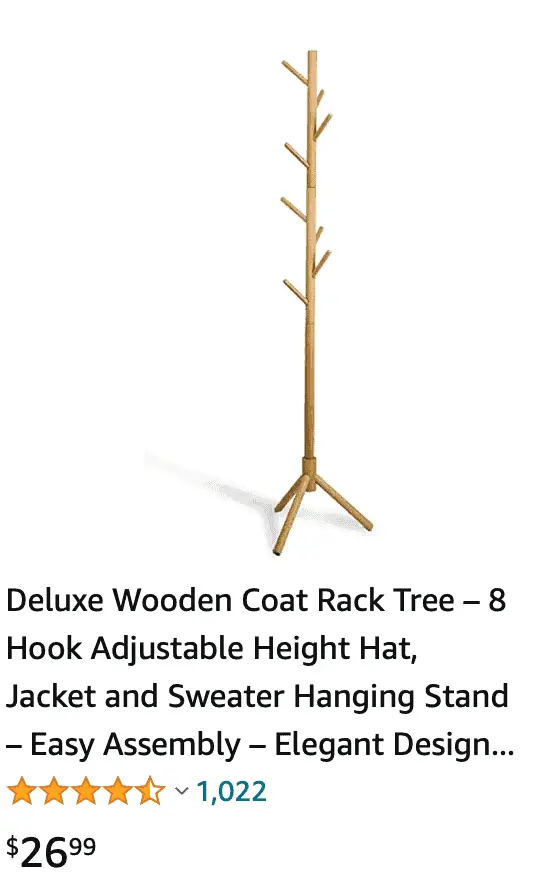
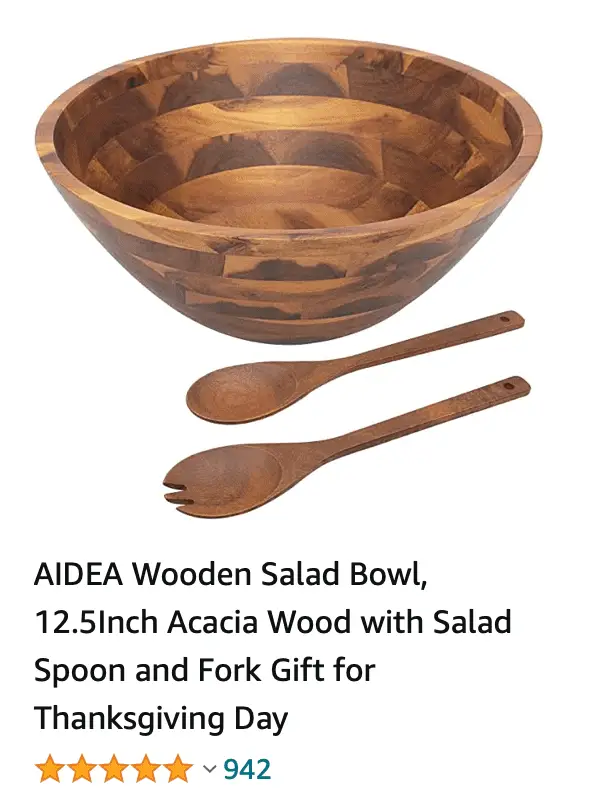
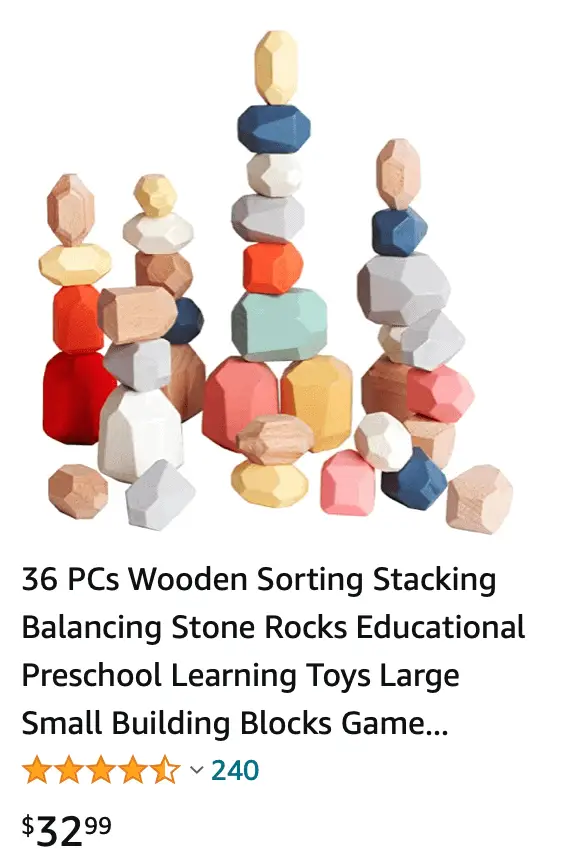
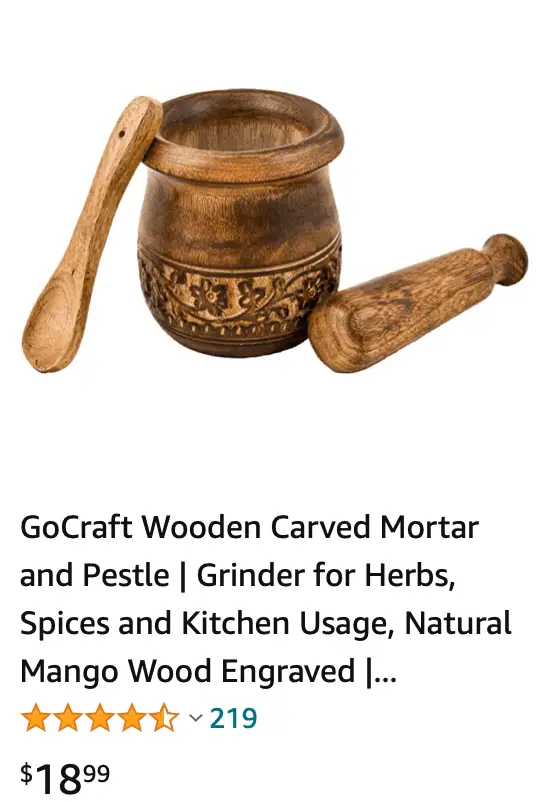
To find the best-selling woodturning projects, we start our research on an e-commerce giant’s website. We went through wooden products looking for ones you can make through woodturning. Granted, you can also sell at craft shows, among other places, and Amazon has a Best Seller’s section where we start our search.
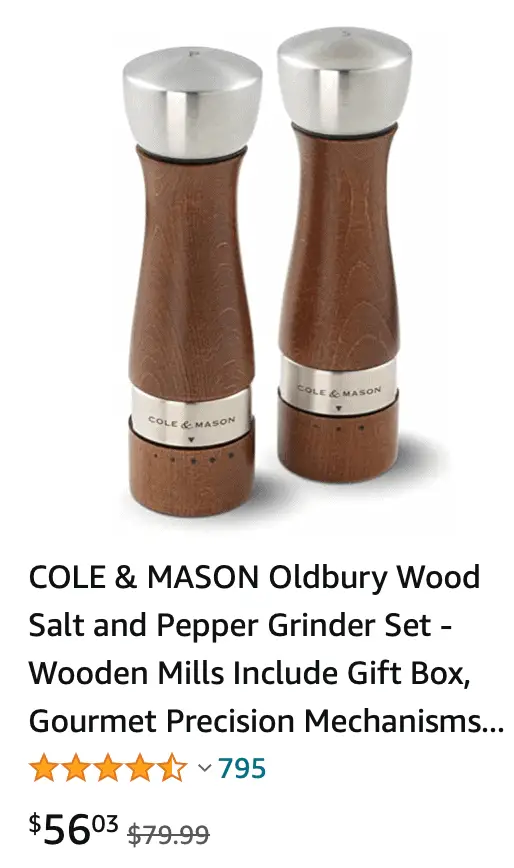
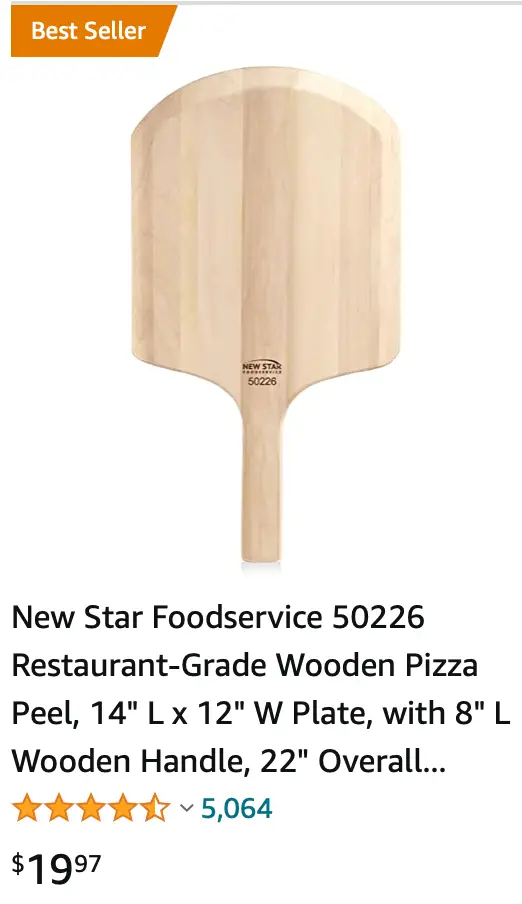
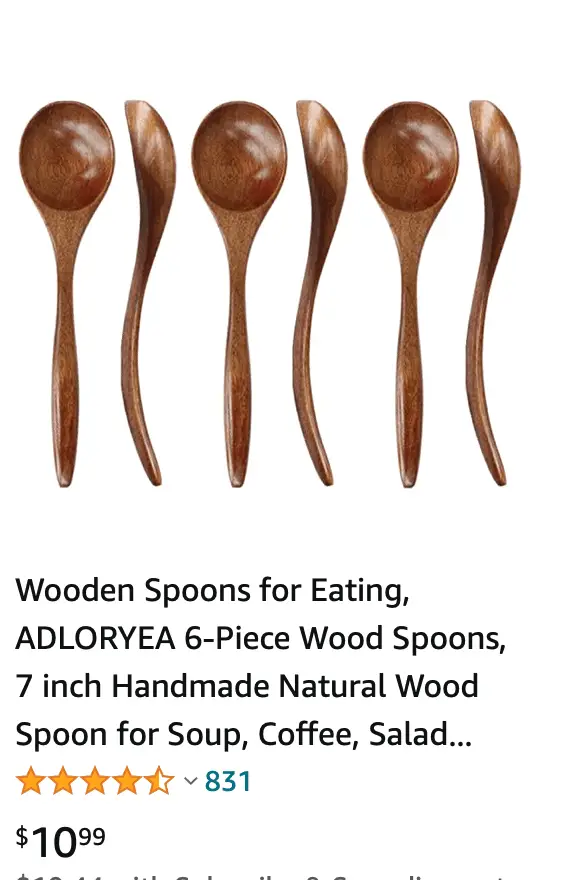
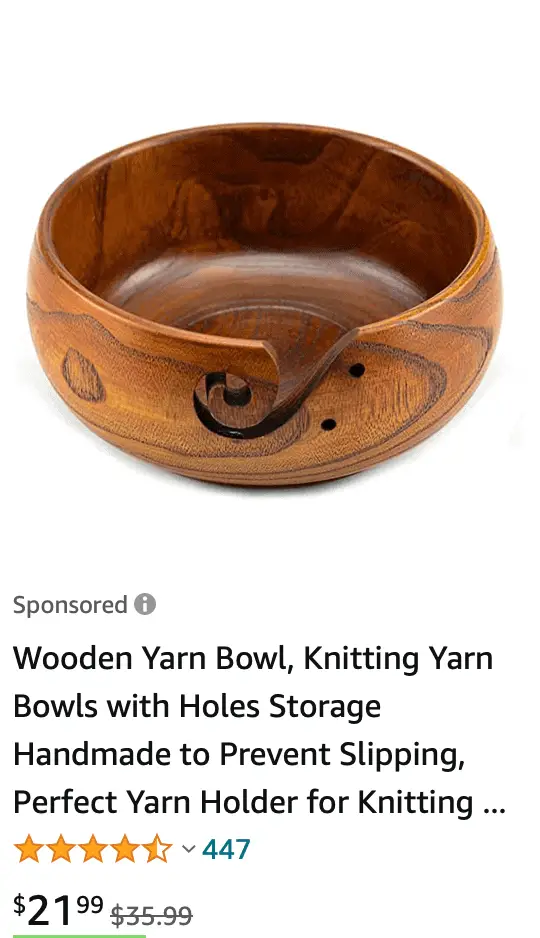
Pens
Pens may sound like a hard sell. This is a seemingly flooded market at face value. One way to change this is to offer more than the mass market producers. What can you do on your lathe that may not be feasible at the factory level? The first thing that comes to my mind is personalization. You can offer premium pens in the gifts market, and people are more willing to pay for unique things. Building a pen or stationery brand may be the way to turn this into a profitable project.
Is pen turning profitable?
Yes, pen turning is profitable. The only way to guarantee profitability is by using your lathe to make something you cannot ignore. Design something worthwhile, and you will see a profit from your project. Turning pens for the gifts market would be the best approach, and Montegrappa sells them for a few hundred a pen. Above that, you can find Mont Blanc’s wooden pens for thousands.
Bowls
Bowls are the most prevalent sellers, according to our research. Most households and individuals will want a bowl. A great idea could be to create an easy design for the eyes. While I am always happy to support artisans, it is easier to sell things when they are not similar to ones you can buy cheaper in a shop or catalog. What unique features can you add to your bowl?
Vases
Vases are another easy sell. One of my favorite techniques for selling a vase is to pair it with other products, and you can add them to the gifting theme.
Goblets
Goblets may not be the easiest sell. Most kids nowadays have no idea what these are. However, the ones among us with a decerning taste will appreciate them. These will form part of your market, and I encourage you to make these after receiving an order.
Rings
I know someone who makes wooden rings for a living. So, there is certainly a market there. As with other objects on our list, you ought to find your take on making them. What can you, as a woodturner, add to your rings that others may not? Look at different types of woods to find the right colors, texture, etc. That is where the money is.
Spoons
Spoons and other wooden kitchen utensils are always a big draw, and you can rest assured that there is someone who wants them. The money in this sector is in making premium quality ones, and most grocery stores will have cheap ones.
Bottle Stoppers
I own several bottle stoppers. Some of them are ones I made, while others have been picked up along the way. This is one that beginners can work on. It is one of the easy wood lathe projects. You may need to add some final touches beyond the wood lathe for more profit. Add to your turning tools. Make your bottle stopper.
Bottle Openers
Bottles are a dime and a dozen. It stands to reason that bottle openers are necessary, and most households will have at least one. I am sure you can sell novelty designs for people to impress their guests.
Chess Pieces
Woodturning chess pieces are another one for the premium market. These are gifts that people can share with their friends. It is another one that is worth making per order. It will take you close to 10 minutes to make one piece.
Baseball Bat
I was a cricketer when I was younger, and my bat was custom-made. That is how I know a market for baseball bats made on your wood lathe. They are easier to make than other items on our list. This one has fewer moving parts, making it suitable for a beginner to try.
Toys
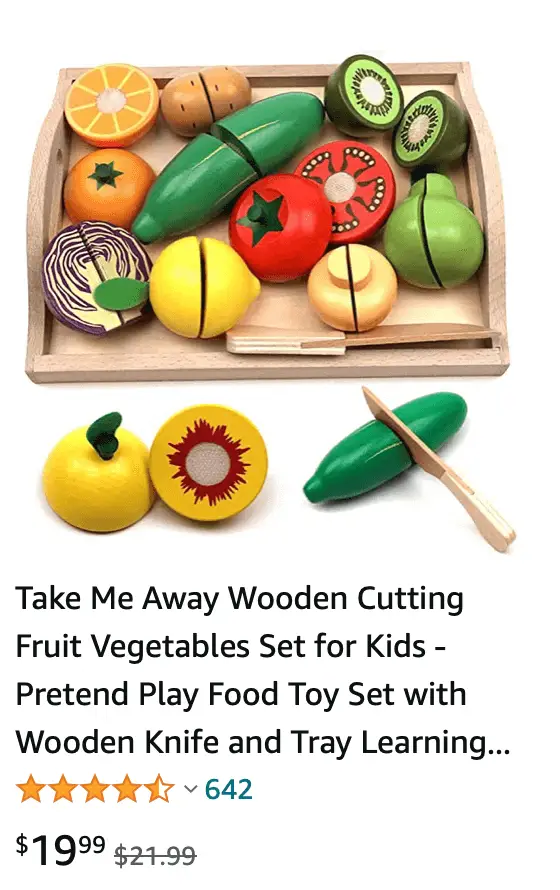
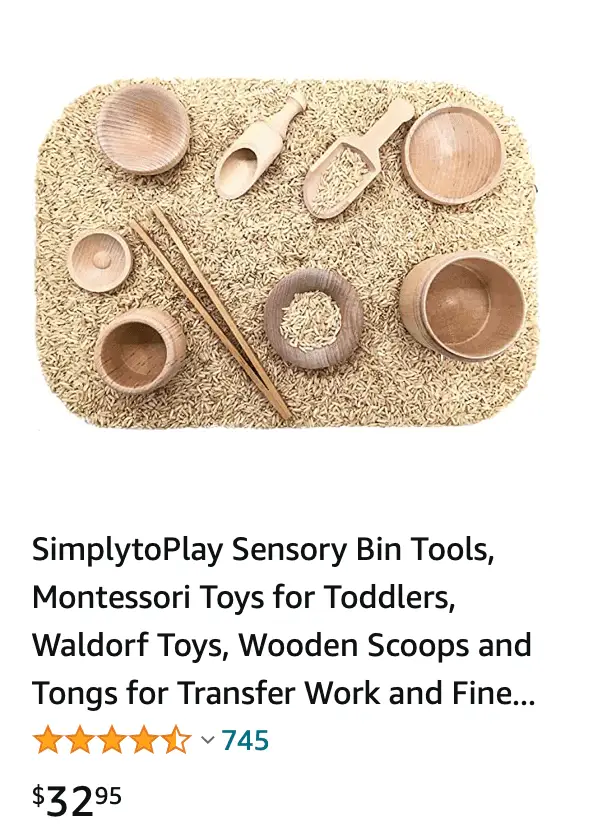
Toys are a massive market, and there is bound to be something that your project can add to it. Fire up your lathe! The best approach is to try your hand at familiar toys. That way, you don’t have to reinvent the wheel. What toys did you like as a child? Is there a way that you can improve them? How can you make premium products?
Puzzles
I’ve come across blocks and puzzles that have been made on a lathe. Depending on how complex you choose to go, it may be a step too far for a beginner. Experienced woodturners will likely get a better result with seemingly less effort. I would encourage you to push your skills to produce incredible products.
Conclusion
We have covered a lot of things to make on a wood lathe and sell. Can you make money turning wood? Of course, you can! Which product do you think is best suited for your skills? Some you will need to learn before you can make a profit. Another idea you should consider is jewelry. One of the easiest is to make bangles. Wooden earrings are simple objects that even beginners can try their hand at.
Woodturning for a profit will require creativity, and it is worth targeting kids or specific groups of adults as your market. Not only does that allow you to access more information to enhance decision-making and your approach to each project, but it also guarantees overall product improvement over time. Trust the process. Harness the power of social media and perhaps your website to grow an audience/followers. You may also be interested in A Few More Wood Lathe Projects for Beginners.

- Grain and Sheen: Teak Oil versus Danish Oil Uncovered - January 10, 2024
- The Cherry on Top: Crafting the Perfect Cutting Board - January 9, 2024
- Polyurethane Water-Based vs Oil-Based: Choosing the Right Finish - January 8, 2024
